Accessory research guide
OrientDig spreadsheet eyewear and sunglasses
Eyewear photographs make color easy to compare but rarely establish fit or lens performance. Separate optical frames from sunglasses first, then compare frame dimensions with a pair that already fits you. Treat claims such as polarized or UV protection as unverified until the seller provides credible specifications or test results.
New to spreadsheet rows? First read how to verify and shortlist a product link.
Read the frame numbers before comparing colors
Many frames list lens width, bridge width, and temple length in millimeters. Those three numbers help you avoid judging fit from an angled model photo:
Overall frame and lens width
Compare the full front width and individual lens width with your current pair. A frame can have similarly shaped lenses yet sit much wider across the face.
Bridge and nose support
A bridge that is too wide will slide; one that is too narrow can pinch. Look for straight-on and side photos, especially if the design uses separate nose pads.
Temple length and hinge type
Compare the arm length with a comfortable pair and check whether the seller shows hinge close-ups. An unclear hinge or missing screw photo is a reason to examine another listing.
Examples from the catalog snapshot
These preview cards were saved on October 12, 2026. Images, availability, variant details, and prices can change. Open each item and the current category directory to verify before ordering.

Ray-Ban Round Metal Polarized Sunglasses Brown
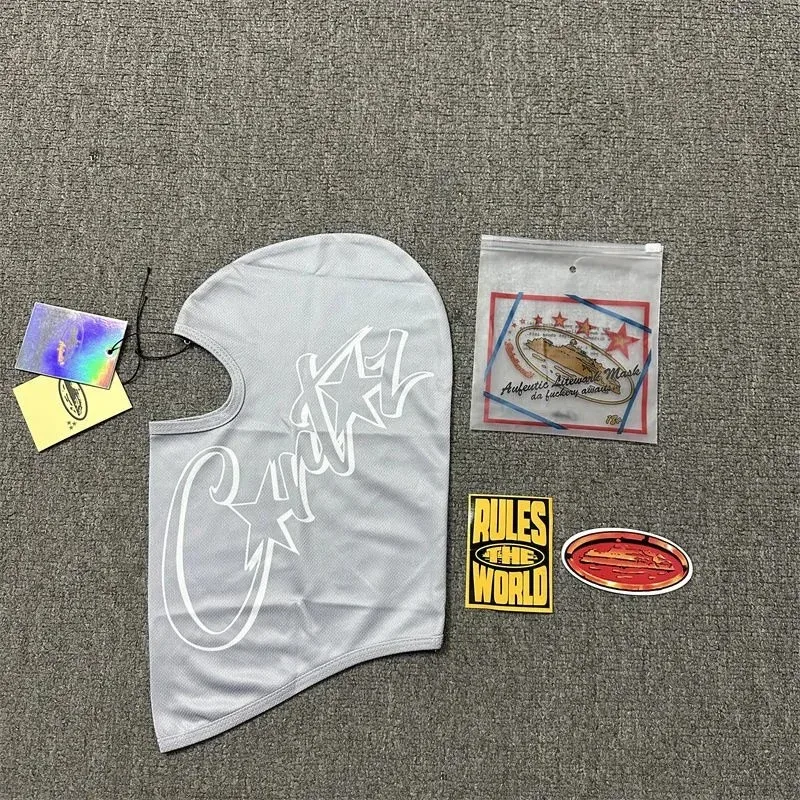
Unisex Grey 'Crazy' Print Balaclava Mask

Chrome Hearts Cemetery Cross Eyewear Black
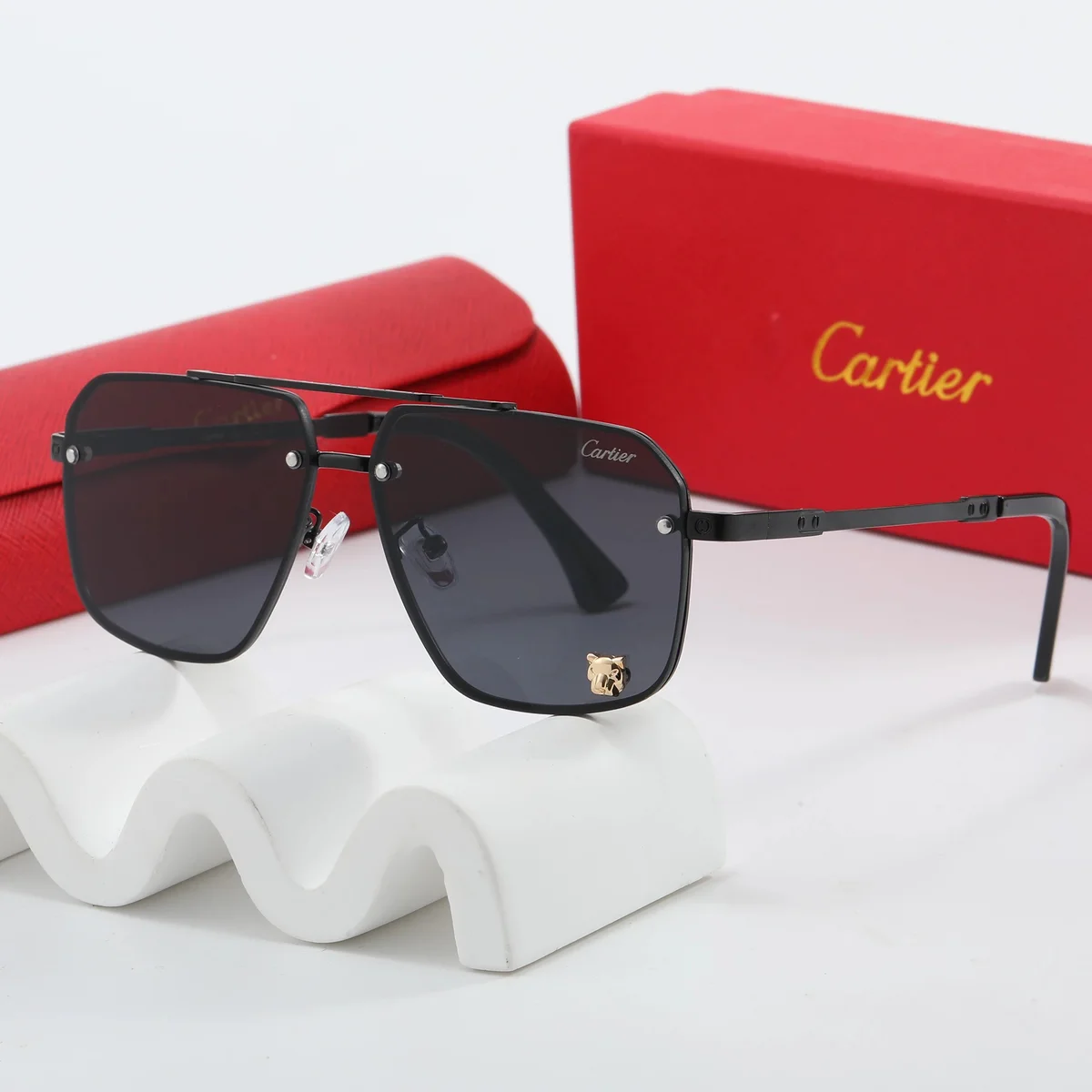
Cartier Black Panthère Sunglasses

Tiffany & Co. Return to Tiffany Gradient Sunglasses

Ray-Ban Rectangle Black Sunglasses

Ray-Ban Round Metal Bright Black Sunglasses

Ray-Ban Round Metal Polarized Sunglasses
Eyewear inspection: what pictures can and cannot prove
Warehouse photos can help spot visible defects and the wrong colorway. They cannot establish prescription accuracy, UV filtration, or polarization by appearance. See the QC photos guide for the difference between catalog reference images and warehouse inspection photos.
- Straight-on front and top views for frame symmetry
- Both hinges, screws, and temple tips in close-up
- Lens surfaces under light for obvious scratches or chips
- Frame size markings compared with the variant ordered
- Case and included accessories if the listing promises them
Tint alone does not prove UV protection. Do not rely on an unverified sunglasses listing for sun protection; ask for documented specifications or an independent lens test.
Frequently asked questions
Can I choose sunglasses only from face-shape photos?
Photos help compare style, but fit needs millimeter dimensions. Compare lens, bridge, and temple numbers with a pair you already wear and inspect the straight-on frame photo.
Does a QC photo prove lenses are polarized or UV protective?
No. Ordinary photos only show visible appearance and condition. Ask for credible lens specifications or testing evidence before relying on any protection claim.